
SCHAEFFLER FAG Current-Insulated Bearings: The Ultimate Defense Against Electrical Erosion
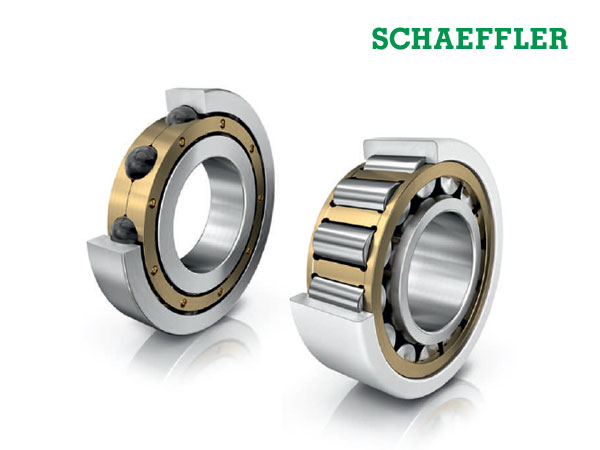
In modern industrial and automotive engineering, particularly within rail vehicles, wind power generators, and industrial motors, the phenomenon of current passage through rolling bearings poses a severe threat to equipment reliability
. If left unaddressed, these unwanted electrical currents can lead to premature and unexpected machine failure, resulting in expensive downtime and maintenance costs.
SCHAEFFLER FAG current-insulated bearings are engineered to interrupt these circuits, providing a cost-effective and highly reliable solution at the design stage.
Understanding the Threat: Typical Bearing Damage
Electrical discharge occurs when the lubricant film between rolling elements and raceways is punctured by voltage
. This process creates several distinct types of damage:
- Melt Craters and Welding Beads: Microscopic sparks melt the metal surface, creating craters and solidified beads that disrupt smooth rotation
- Fluting: This is the most common cause of failure, characterized by periodic, washboard-like patterns on the raceways that cause intense vibration and noise
- Lubricant Degradation: Current passage causes the base oil and additives to oxidize and crack, leading to premature aging and "hot running" of the bearing
The Technology: FAG Current-Insulating Solutions
Schaeffler offers two primary technologies to combat electrical erosion depending on the frequency and type of the electrical load.
- FAG Ceramic-coated bearings
- FAG Hybrid bearings
By integrating SCHAEFFLER FAG current-insulated bearings, manufacturers can significantly increase machine availability and reduce life-cycle costs by up to 20%. Whether you require the robust protection of Insutect ceramic coatings or the high-speed efficiency of hybrid technology, Schaeffler provides the technical expertise to ensure your systems remain powered—and protected.